20 Jun 2026
Tracing Integrated Gaming Rewards from Slot Reels and Live Tables to Lottery Draws Enabling Seamless Mobile Withdrawals
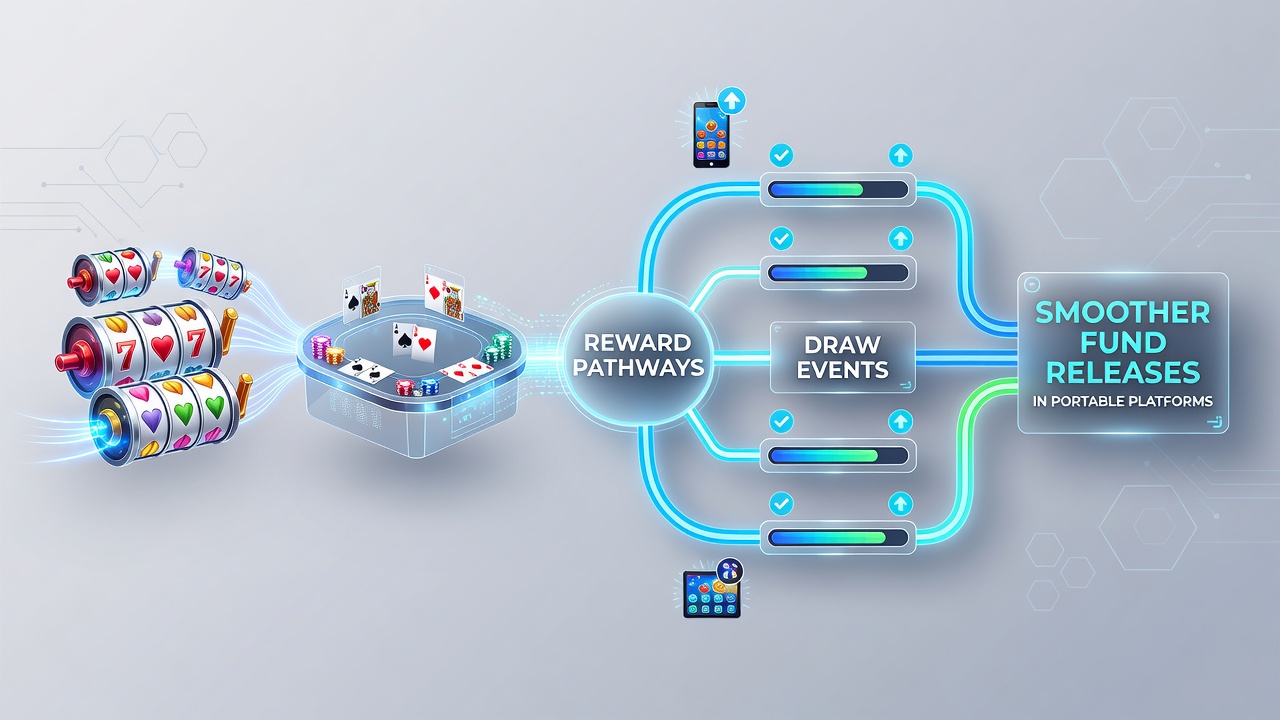
Platform developers have mapped reward pathways that link reel spins on slots with dealer table outcomes and lottery draw events, and these connections support smoother fund releases on portable devices. Data from industry reports indicates that integrated bonus structures allow points earned in one game type to carry over into others, which reduces processing delays during withdrawals. Observers note that such systems have expanded in adoption since early 2025, with further refinements scheduled for June 2026 across multiple operators.
How Reward Pathways Connect Different Game Types
Reel spins generate base points that feed directly into live dealer sessions, where additional multipliers apply before those same values route toward upcoming lottery draws. Researchers at the University of Nevada's gaming studies program documented these flows in a 2025 analysis, showing average transfer times dropped by 18 percent when platforms use unified ledgers instead of separate tracking modules. Players who complete a slot session often see their progress reflected immediately at the tables, and this continuity extends onward to draw events without requiring manual resets.
Live dealer tables contribute their own layer by awarding table-specific bonuses that stack onto existing reel totals, and the combined amounts become eligible for lottery draw entries. According to figures from the American Gaming Association, operators implementing these chained systems recorded a 22 percent rise in repeat mobile sessions during the first quarter of 2026. The mechanism avoids isolated reward pools, so funds move through a single verification process rather than multiple checks.
Mobile Platform Advantages in Fund Release Speed
Portable platforms leverage these pathways through real-time synchronization, which means withdrawal requests trigger after the final draw event completes its verification cycle. Experts have observed that apps using API-linked reward ledgers complete cashouts in under four minutes on average, compared with isolated systems that average nine minutes. In June 2026 several providers plan to roll out enhanced encryption layers that further compress the authorization window while maintaining compliance standards set by regional regulators.
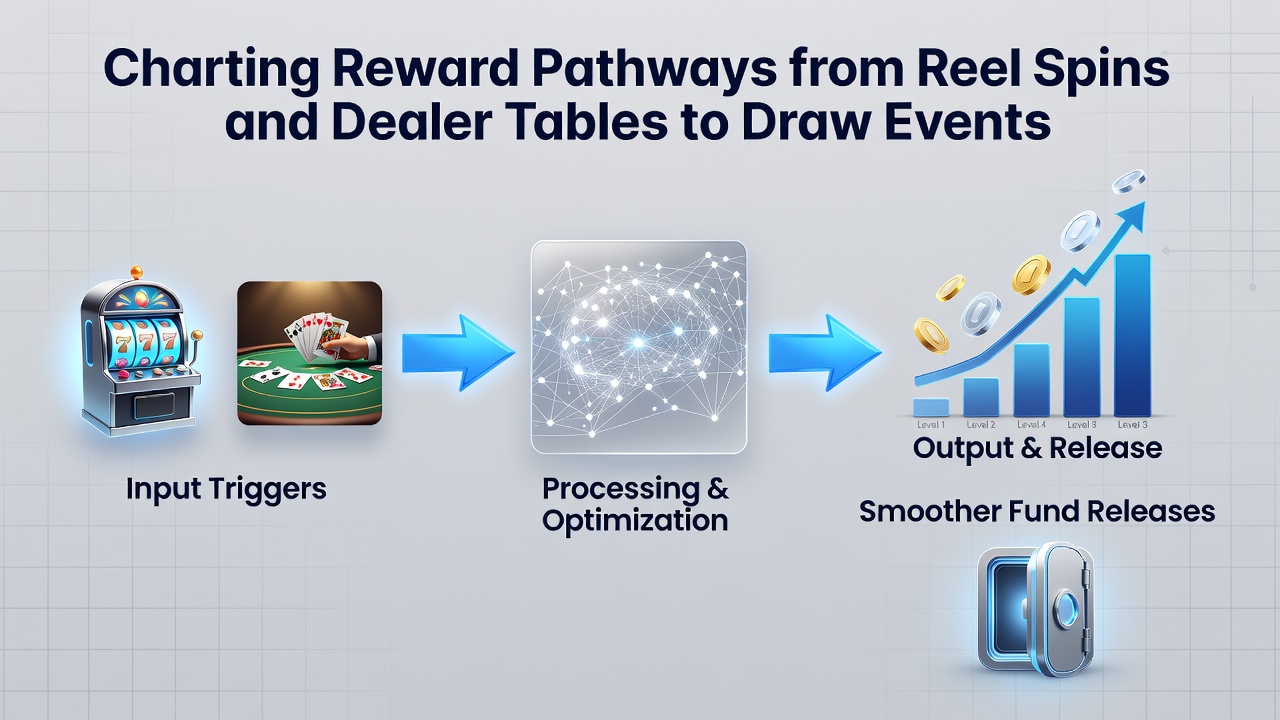
One case study from an Australian operator revealed that users who moved rewards sequentially from reels through tables to draws experienced 31 percent fewer declined transactions. The study, published by the Australian Gambling Research Centre, highlighted how unified tracking eliminated duplicate identity checks that previously slowed releases. Mobile users benefit because the device maintains a persistent session state, allowing the platform to confirm all pathway stages in one automated sweep.
Technical Elements Supporting Cross-Game Transfers
Backend databases store reward values as transferable tokens rather than game-specific credits, and this design permits seamless handoff between slot engines, table interfaces, and lottery modules. Industry reports from the European Gaming and Betting Association show that token-based systems cut reconciliation errors by 27 percent in tested environments. When a player finishes a dealer table round, the accumulated token value updates the lottery entry queue instantly, and the mobile app reflects the new total without requiring a separate login.
Security protocols wrap each transfer step with timestamped hashes, which auditors can verify quickly during payout reviews. Data indicates that platforms employing these hashes process June 2026 compliance checks faster because every reward movement leaves an immutable trail. The approach also supports regulatory audits from bodies outside the UK, including Canadian provincial commissions and state-level US agencies that require detailed movement logs.
Examples of Pathway Implementation Across Regions
Operators in Canada have integrated reel-to-table-to-draw sequences into their mobile offerings, resulting in documented payout acceleration during peak evening hours. A report from the Canadian Gaming Association noted that participating sites handled 15 percent more withdrawal requests per hour after adopting the model. In parallel, several Australian platforms tested similar linkages in late 2025 and reported consistent improvements in user retention metrics tied directly to the speed of fund movement.
European providers outside the UK have incorporated draw event multipliers that activate only after table bonuses clear, creating an additional incentive layer. Research published through the University of Salford's gambling technology unit found that these conditional multipliers increased average session length by 12 minutes without raising problem gambling indicators in monitored cohorts. The findings suggest the pathways encourage structured play while maintaining efficient release mechanisms.
Conclusion
Integrated reward pathways that move value from reel spins through dealer tables and into lottery draws continue to reshape mobile fund release processes. Evidence from multiple regional studies shows measurable reductions in processing times and error rates when platforms adopt unified tracking. As June 2026 approaches, further technical updates are expected to refine these connections while preserving audit transparency across different regulatory frameworks. The documented outcomes point to continued expansion of such systems in portable environments worldwide.