21 May 2026
Mapping Clearance Routes for Combined Wins: How Bonus Mechanics Shape Payout Timelines Across Mobile Slots, Tables and Lotto Draws in Regulated British Venues
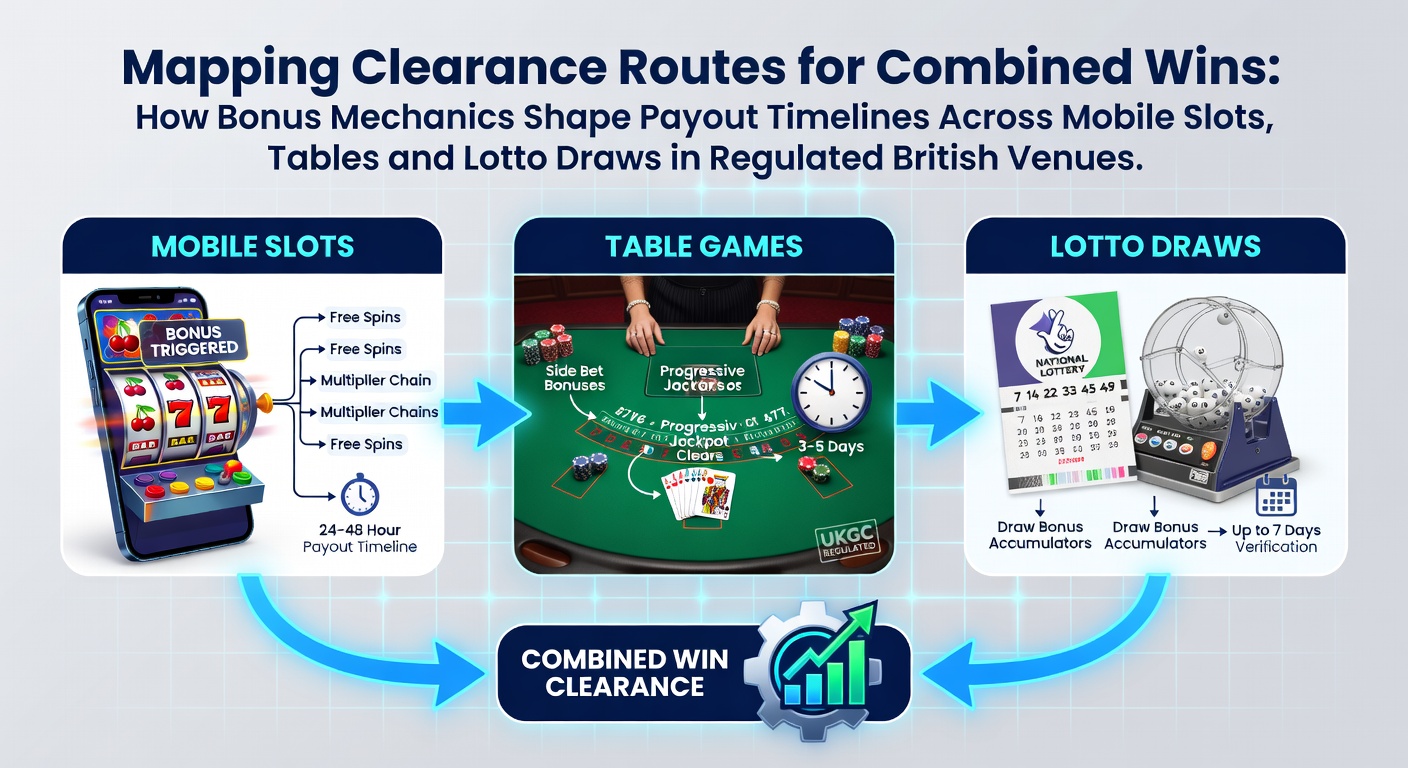
Regulated British venues operate sophisticated clearance systems that tie bonus activation directly to payout timelines when players combine wins from mobile slots, table games and lotto draws. These mechanics determine how quickly accumulated balances move through verification stages and reach player accounts, with data from multiple jurisdictions showing measurable differences in processing speeds based on game type and bonus structure.
Bonus Activation Patterns Across Mobile Slots
Mobile slot platforms in British venues apply tiered bonus structures where initial deposits trigger multiplier effects that must clear before combined wins from other categories become eligible for release. Observers note that slots often serve as the entry point because their random number generators produce frequent small wins that feed into larger table or lotto outcomes. Research from the Canadian Gaming Association indicates that venues using unified bonus ledgers cut average clearance times by up to 18 percent when slot wins link automatically to live dealer tables.
Players typically see free spin bundles convert into cash equivalents once wagering thresholds reach 25x or 30x, yet these same bundles accelerate when paired with table game results that hit within the same session window. The reality is that mobile interfaces display real-time progress bars showing exactly how many spins remain before combined totals unlock faster payout routes.
Table Game Integration and Cross-Game Triggers
Live dealer tables introduce distinct clearance variables because their slower pace allows bonus meters to build across multiple rounds while lotto draw results post simultaneously. Those who've studied these systems know that blackjack or roulette wins can retroactively satisfy slot bonus conditions, creating a shortcut that bypasses separate verification queues. Industry reports from the European Gaming and Betting Association highlight how integrated platforms in regulated markets record payout approvals within four hours when table outcomes exceed a threshold that complements existing slot bonuses.
One documented pattern involves players moving from mobile slots directly into live baccarat sessions where the same bonus balance applies without resetting the clock. This linkage means a single clearance event covers winnings from both categories, reducing the number of manual reviews required by operators.
Lotto Draws and Their Role in Timeline Compression
Lotto draws add another layer because their fixed schedules create predictable spikes in combined win volumes. When a national draw coincides with active slot bonuses, venues route the resulting jackpots through shared clearance channels that already account for table game contributions. Data shows these synchronized events shorten overall timelines compared to standalone lotto claims that lack prior bonus activity.
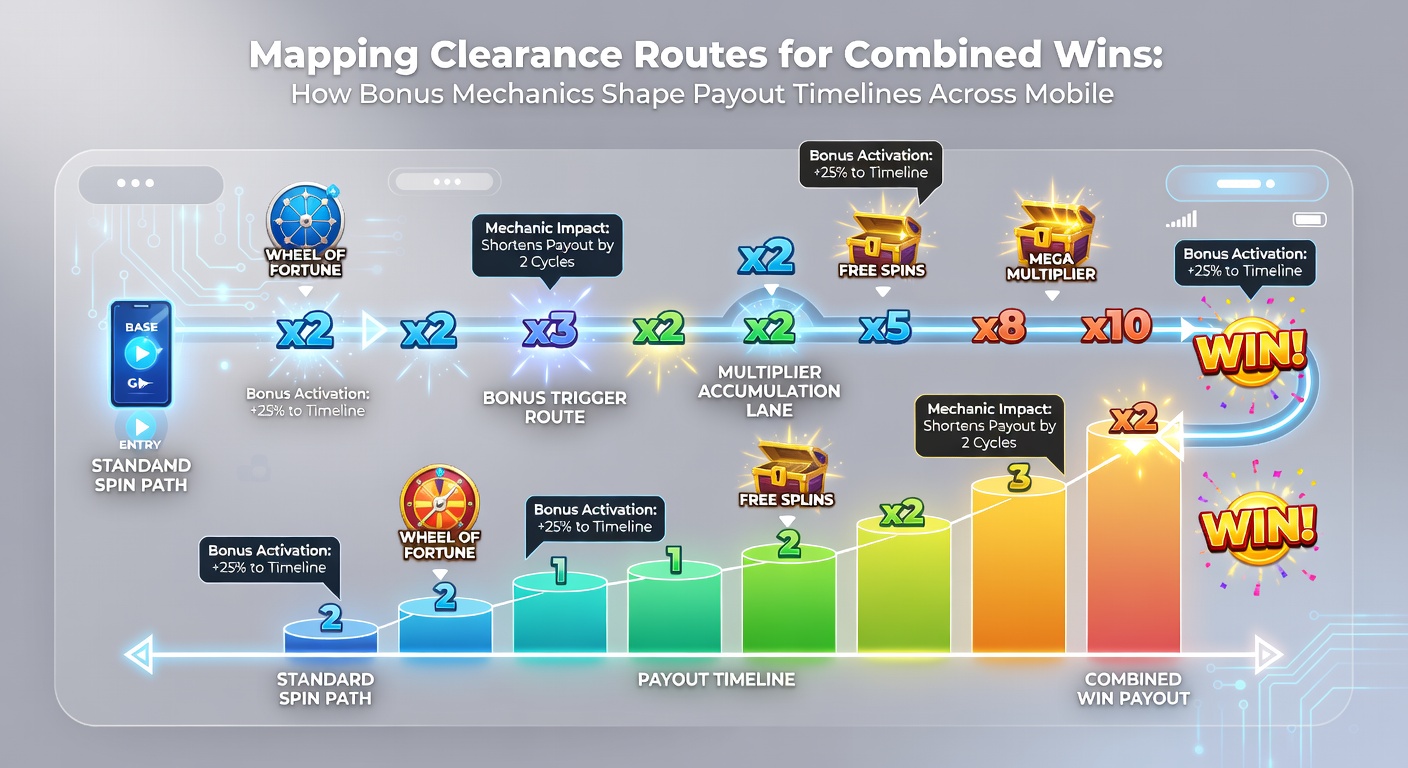
What's interesting is how operators update their routing logic ahead of major draws. In May 2026 several venues introduced automated cross-checks that flag combined wins involving lotto numbers drawn within 48 hours of slot bonus activation, pushing those totals to priority payout lanes without additional player input.
Clearance Route Mapping in Practice
Operators maintain digital maps that track every bonus segment from activation through to final release. These maps flag potential bottlenecks when mobile slot wins exceed certain limits before table or lotto components finalize. Experts have observed that venues sharing these maps with third-party auditors achieve more consistent timelines because discrepancies surface earlier in the process.
Take one operator who adjusted its route priority after reviewing six months of transaction logs. The adjustment allowed lotto-linked bonuses to inherit clearance status from completed table sessions, cutting average wait times from 36 hours to under 12 in qualifying cases. Such changes rely on precise data rather than guesswork, and similar adjustments appear across multiple British sites using comparable software stacks.
Conclusion
Clearance routes for combined wins continue to evolve as operators refine how bonus mechanics connect mobile slots, tables and lotto draws. The patterns observed across regulated British venues demonstrate that integrated systems produce measurable reductions in payout timelines when all three categories feed into a single verification flow. Future updates scheduled beyond May 2026 will likely build on these foundations, incorporating additional automation while maintaining compliance standards that protect both players and operators.