9 Jul 2026
Lottery Outcomes Shaping Table Play Dynamics on British Mobile Gaming Apps
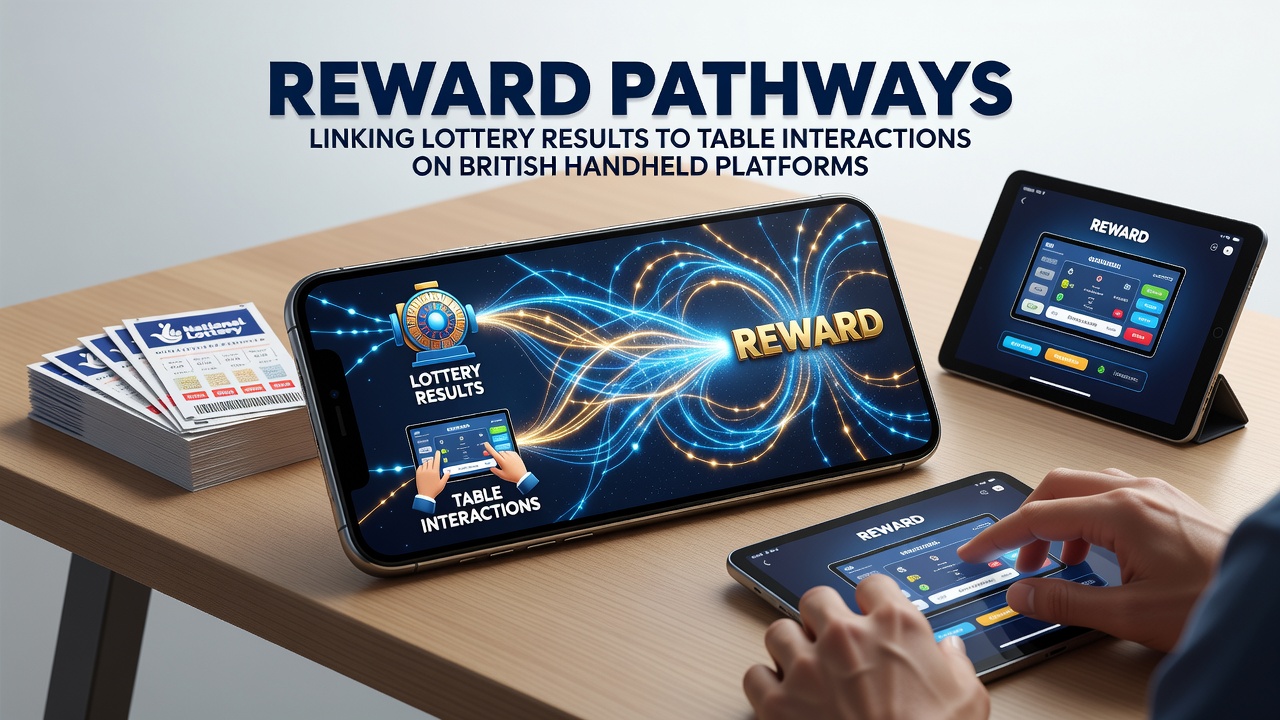 British handheld platforms have developed systems where lottery results feed directly into reward structures that influence table game sessions. These connections operate through app-based mechanics that track draw outcomes and convert them into credits or multipliers applicable at virtual tables. Data from industry reports show that such pathways emerged as operators sought to unify different gaming verticals within single user accounts. Platform developers integrate lottery APIs with table game engines so that a successful draw can unlock bonus rounds on games like blackjack or roulette. Users access these features via standard mobile devices without needing separate logins. Observers note that the process relies on real-time data feeds from official lottery operators combined with internal platform algorithms.
Mechanics of Reward Integration
Handheld applications process lottery numbers through predefined conversion tables that assign values to table game balances. When a draw completes, the system evaluates matches against user selections and applies corresponding rewards automatically. This automation reduces manual intervention and maintains session continuity across lottery and table sections.
Studies conducted by academic researchers at institutions such as the University of Nevada highlight similar cross-product linkages in other markets, where sequential play patterns increase after lottery events. British platforms adapt these models by limiting reward windows to specific timeframes following each draw, which encourages immediate table engagement.
Platform Features Supporting Linked Play
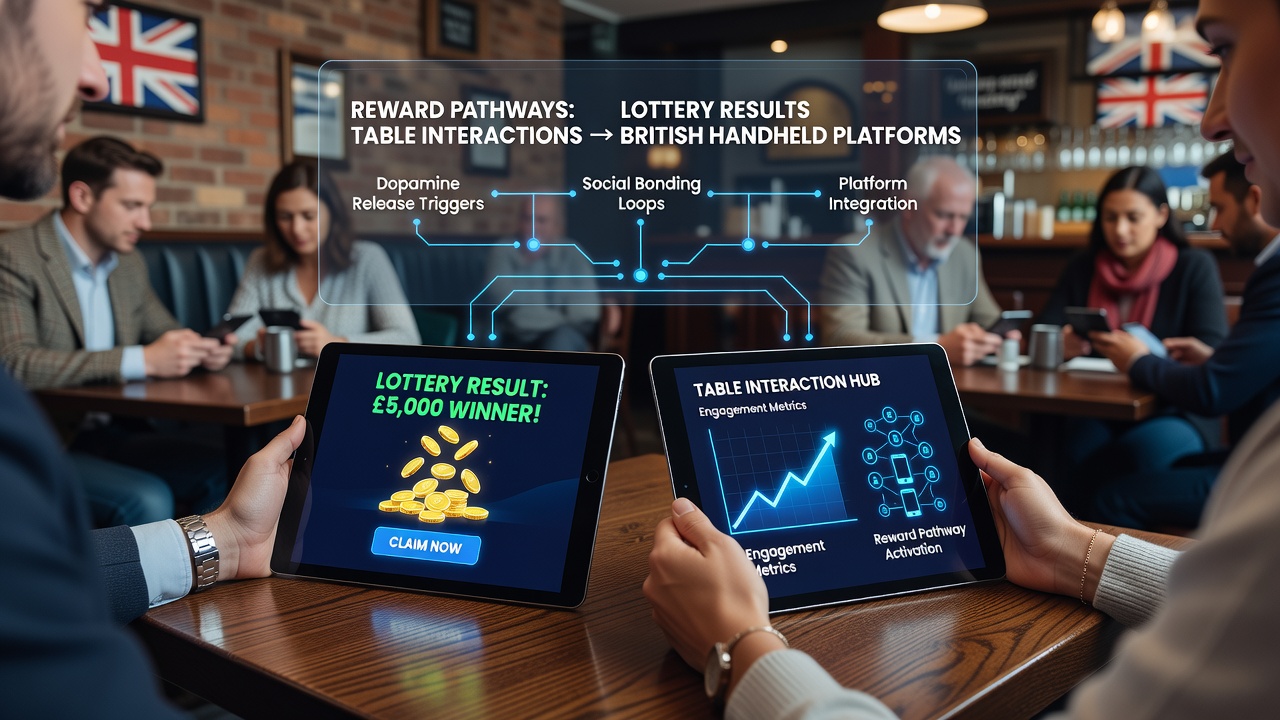
British apps incorporate notification systems that alert users to available table bonuses derived from lottery results. These alerts appear within the same interface as ongoing table sessions, allowing seamless transitions. Technical specifications released by software providers indicate that encryption protocols protect transaction data during these transfers.
Users often discover that accumulated rewards carry expiration timers tied to the next lottery cycle. This structure creates recurring opportunities for table interaction while the system resets balances after each draw period. Figures from European gaming associations reveal rising adoption rates of these integrated features among operators targeting mobile users.
Regulatory Context and July 2026 Developments
By July 2026, several British operators had updated their mobile platforms to align reward pathways with updated compliance standards from bodies outside the primary national regulator. These changes included clearer disclosure of how lottery data influences table bonuses. Industry organizations such as the European Gaming and Betting Association documented these adjustments in their annual reviews, noting standardized reporting formats across member platforms.
Developers introduced audit trails that record every reward transfer from lottery modules to table environments. Regulators in regions like Australia and Canada have examined comparable systems, providing benchmarks that British providers reference during internal reviews. The result appears in more transparent user agreements that detail the calculation methods behind each linked reward.
User Interaction Patterns
Analytics shared by platform operators demonstrate that table game participation spikes within hours of major lottery announcements. Players tend to apply newly credited rewards to lower-stakes table variants before progressing to higher-limit options. This progression follows patterns identified in research papers from Canadian academic sources examining mobile gambling behavior.
Handheld devices facilitate these shifts through touch-optimized interfaces that maintain consistent navigation between lottery history and active table sessions. Developers continue refining latency reductions so that reward applications occur without interrupting ongoing table rounds.
Conclusion
The pathways connecting lottery results to table interactions on British handheld platforms represent a technical evolution in mobile gaming architecture. These systems rely on integrated data processing, timed reward distribution, and compliance updates scheduled around mid-2026. As platforms refine their mechanisms, external analyses from groups such as the European Gaming and Betting Association and university studies continue to track measurable effects on user engagement across both verticals.