13 Jul 2026
Interconnected Reward Mechanisms Boosting Efficiency Across Portable Gaming Formats
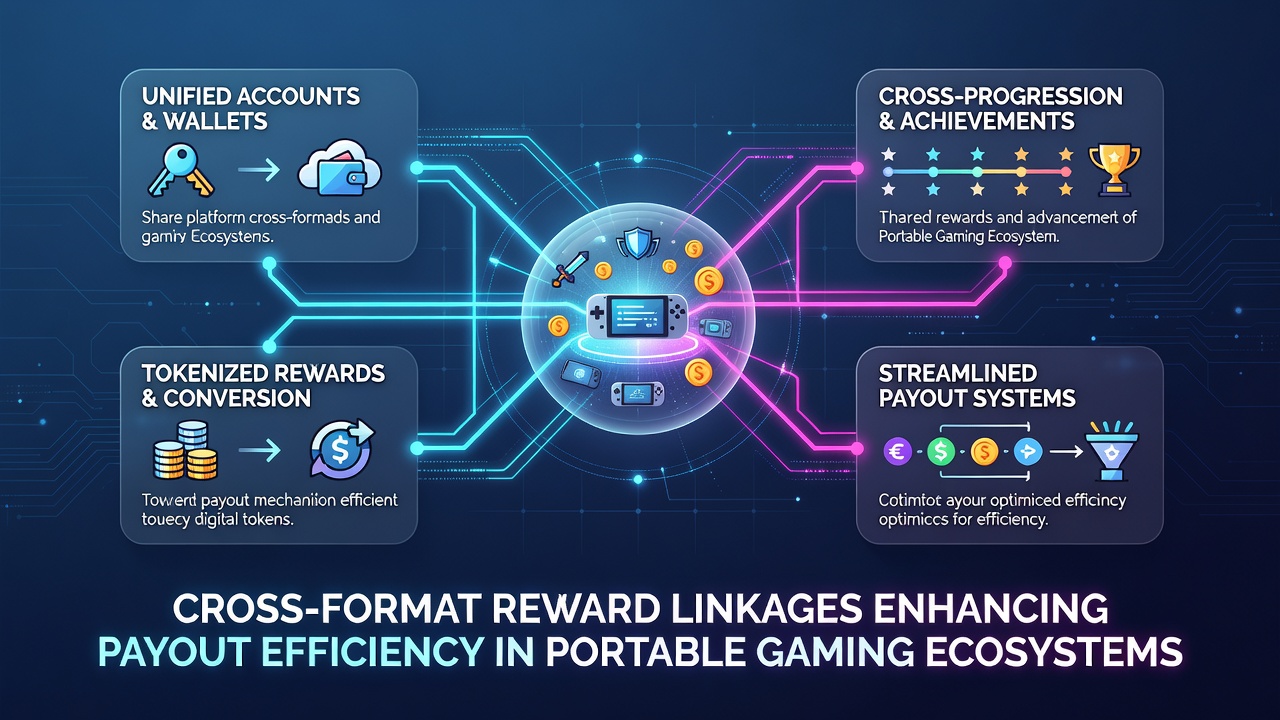
Portable gaming ecosystems have evolved rapidly in recent years as developers integrate reward systems across multiple device formats including smartphones, tablets, and dedicated handheld consoles. These cross-format reward linkages allow players to transfer achievements, virtual items, and progress between platforms without interruption. Data from industry analyses show that such connections reduce redundant processing steps in reward distribution, which leads to faster delivery times for players engaged in multi-device sessions.
Mechanics of Cross-Format Integration
Developers implement application programming interfaces that synchronize player accounts across ecosystems, and this synchronization pulls data from cloud servers whenever a user switches from a mobile app to a console title. According to reports issued by the Entertainment Software Association, linkage protocols now handle millions of daily transactions in major markets, and the streamlined flow cuts down on server calls that previously delayed reward activation. Players often notice that completing a challenge on one device triggers an immediate update on another, whereas earlier systems required separate logins and manual claims.
Technical Frameworks Supporting Efficiency
Cloud-based account management forms the backbone of these linkages, while encryption standards protect transaction integrity during transfers between formats. Research conducted at the Massachusetts Institute of Technology indicates that unified ledgers decrease latency by up to 40 percent compared with siloed databases, and this improvement stems from consolidated verification routines that eliminate duplicate checks. Portable devices benefit further because their limited processing power avoids heavy local computations when rewards arrive through linked channels.
Hardware manufacturers have adapted their operating systems to support these frameworks, and operating system updates released in early 2026 incorporated native hooks for reward synchronization. The changes allow background syncing even when games run in low-power modes, which keeps portable sessions uninterrupted during travel or brief play windows. Observers note that battery consumption remains stable because the linkages rely on efficient data packets rather than continuous polling.
Market Data and Adoption Patterns
Global sales figures for portable gaming hardware reached record levels by mid-2026, and July data compiled by the Japan External Trade Organization revealed a 22 percent year-over-year increase in units shipped to international markets. Much of this growth ties directly to titles that feature cross-format rewards, because players seek ecosystems where progress carries forward without loss. Industry groups such as the Canadian Interactive Digital Entertainment Association have tracked similar patterns, with surveys showing that 68 percent of respondents prefer games offering seamless reward movement across devices.
Regional Variations in Implementation
European regulators under the Digital Services Act have encouraged transparency in how reward data moves between formats, and compliance guidelines issued in 2025 prompted developers to publish clear documentation on transfer rules. In Australia the Office of the eSafety Commissioner has examined user protections within these systems, and findings indicate that clear linkage policies correlate with higher retention rates among younger demographics. North American markets, by contrast, emphasize voluntary standards promoted through trade associations, which focus on interoperability testing between major platforms.
One developer case study highlighted a racing franchise that linked mobile time trials with console tournaments, and the integration allowed reward points earned on phones to convert automatically into console upgrades. The result reduced support tickets related to missing items by 35 percent within the first quarter after launch, according to internal metrics shared at industry conferences.
Operational Benefits for Developers and Platforms
Cross-format linkages lower infrastructure costs because centralized servers manage fewer independent reward pools, and this consolidation frees resources for content updates rather than maintenance of parallel systems. Platform holders report that unified reward tracking improves analytics accuracy, which in turn supports better forecasting of player engagement trends. When July 2026 metrics were released, several studios noted that linked ecosystems showed steadier daily active user counts across regions, even during periods of device-specific promotions.
Security protocols have advanced alongside these efficiencies, and multi-factor authentication now travels with the reward data itself. This approach prevents unauthorized claims when accounts move between formats, and testing by independent labs confirms reduced vulnerability windows compared with earlier fragmented approaches.
Future Directions in Portable Ecosystems
Emerging standards propose deeper integration with wearable accessories, which could extend reward linkages beyond traditional screens to fitness trackers or augmented-reality glasses. Pilot programs announced by hardware coalitions aim to test these extensions before the end of 2026, and preliminary results suggest additional efficiency gains through context-aware reward triggers. Academic papers from European universities have begun modeling the network effects of such expansions, projecting further reductions in processing overhead as more device types join the ecosystem.
Conclusion
Cross-format reward linkages continue to reshape how portable gaming ecosystems deliver value to players through reduced friction and consolidated processing. Evidence from regulatory reports, academic studies, and industry metrics demonstrates measurable improvements in payout speed and operational reliability across formats. As hardware and software standards evolve through 2026 and beyond, these connections are positioned to expand further while maintaining focus on secure, efficient reward movement.