20 Jul 2026
Integrated Bonus Frameworks Connecting Table Games and Lottery Draws on Portable Devices
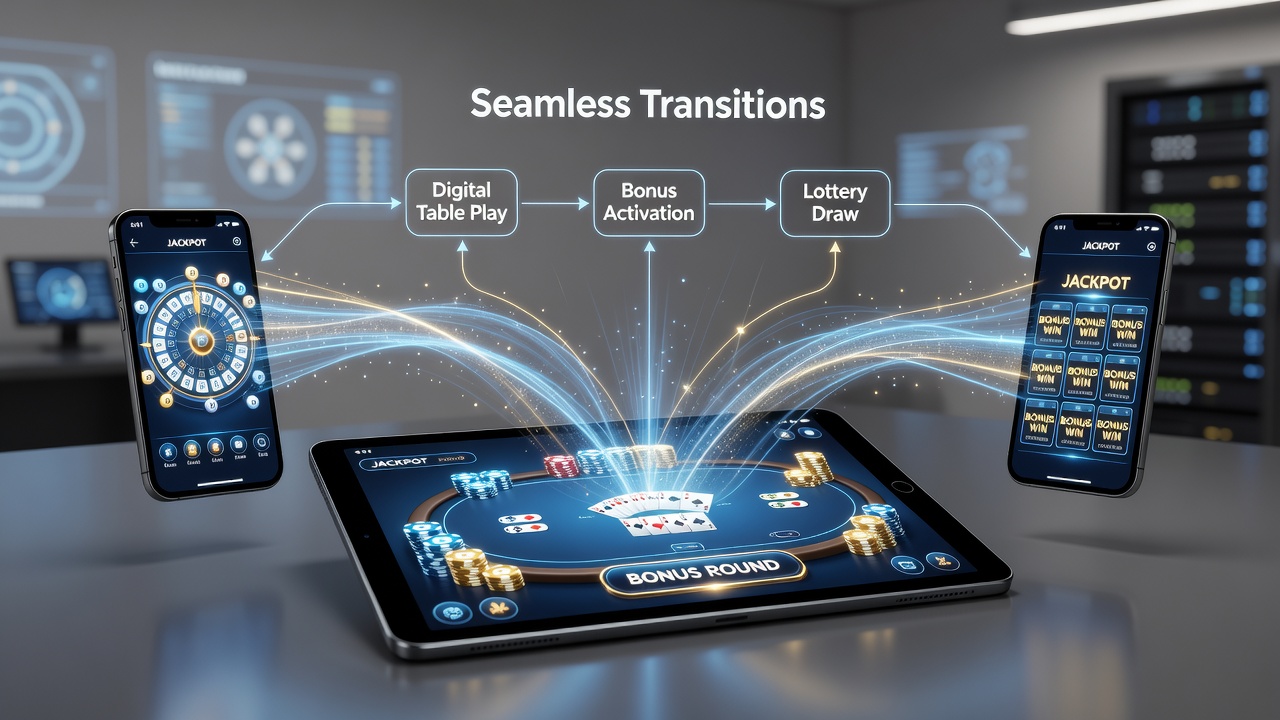
Integrated bonus frameworks now link digital table play directly to lottery draws on handheld devices through shared reward pools and synchronized account systems. Operators deploy these structures so that progress in one format carries forward into the next without separate logins or manual transfers. Data from industry reports indicate that such linkages increased session continuity by measurable margins across multiple platforms during 2025.
Mechanics of Cross-Format Bonus Allocation
Bonus structures operate by assigning points or credits that remain valid across table simulations and lottery selections on the same mobile application. When a player completes a sequence of digital table rounds, accumulated multipliers apply automatically to subsequent lottery ticket purchases within the same session. Researchers tracking these systems note that the allocation occurs through centralized ledgers updated in real time, which prevents duplication of rewards while maintaining compliance records for each transaction type.
Operators configure the frameworks so that table-game streaks trigger lottery-specific enhancements such as additional number selections or boosted prize tiers. The reverse path functions equally, where lottery participation unlocks table-game entry bonuses that reduce minimum stake requirements. Observers at recent trade events have documented how these reciprocal triggers maintain player engagement across both formats without requiring external navigation.
Technical Integration on Handheld Platforms
Developers achieve seamless transitions by embedding unified application programming interfaces that handle both table-game logic and lottery randomization within a single codebase. Handheld devices receive incremental updates that sync bonus balances across modules, allowing users to switch between blackjack-style tables and draw-based games while the system preserves active promotions. Network latency tests conducted by independent labs show that these updates complete within standard mobile data parameters, supporting uninterrupted play even during peak usage periods.
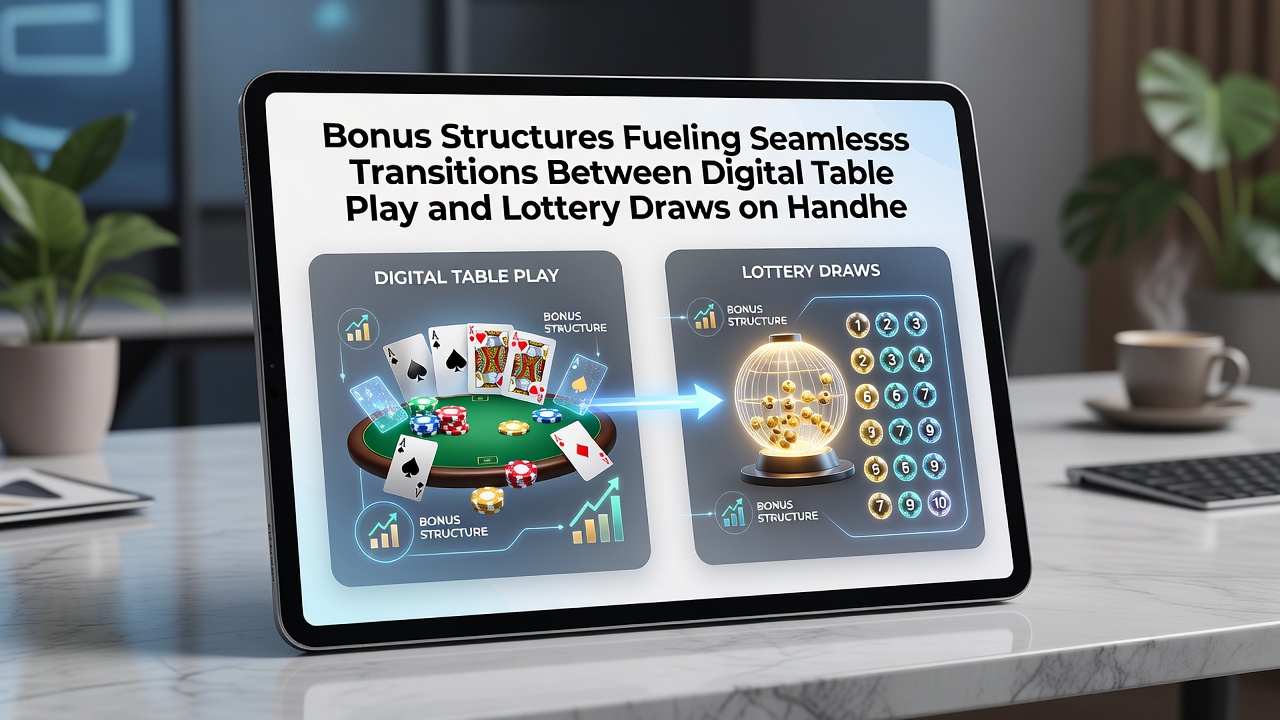
Security protocols embedded in the frameworks encrypt bonus data at the point of generation and require device-level authentication before any cross-format application. Multiple providers adopted standardized token systems in early 2026 that further streamline verification steps, reducing the number of confirmation prompts users encounter during transitions. Figures released by the Nevada Gaming Control Board in July 2026 recorded higher volumes of mobile sessions that utilized these token-based linkages compared with prior quarters.
Regulatory Context and Reporting Standards
Regulatory bodies outside the United Kingdom track these bonus frameworks through periodic data submissions that detail allocation rates and player transition frequencies. The Australian Communications and Media Authority, for instance, requires operators to report how bonus credits flow between game categories on mobile channels, ensuring transparency in promotional mechanics. Similar requirements exist in several Canadian provinces where provincial gaming corporations publish aggregated statistics on cross-format activity each fiscal period.
Industry associations such as the European Gaming and Betting Association compile comparative studies that examine how bonus persistence affects session length across jurisdictions. These studies rely on anonymized transaction logs supplied by participating operators and present findings in quarterly summaries available to members. The data reveal consistent patterns in which players who activate table-to-lottery linkages maintain longer overall activity windows than those who engage single formats exclusively.
Observed Patterns in Player Behavior
Analysts reviewing platform telemetry have identified recurring sequences where users complete table rounds, apply resulting bonuses to lottery draws, and then return to tables with refreshed multipliers. This cyclical movement appears across multiple device types and operating systems, according to aggregated logs shared at academic conferences on digital gaming. University-led research projects in Australia have modeled these patterns to assess computational load on backend servers during simultaneous format switches.
Case examples documented by platform operators illustrate how a single bonus pool can support extended play periods that span both table simulations and lottery events. One documented instance involved a user completing a series of roulette rounds that generated credits later applied to a multi-draw lottery feature, after which remaining credits funded additional table sessions. Such sequences occur within the same application environment and rely on the integrated frameworks to track eligibility without manual intervention.
Future Adjustments and Platform Updates
Platform providers continue to refine bonus frameworks in response to updated device capabilities and evolving lottery regulations in various markets. Scheduled releases planned for late 2026 include enhanced synchronization features that allow partial bonus transfers when users move between different handheld models. These adjustments build on existing architectures rather than replacing them, preserving continuity for accounts already active across table and lottery modules.
Testing phases conducted by several operators demonstrate that the refined frameworks maintain consistent reward application even when lottery draws occur at fixed intervals separate from table-game timing. The systems queue pending bonuses until the next available draw window, then apply them automatically once eligibility is confirmed through the shared ledger.
Conclusion
Bonus structures that connect digital table play and lottery draws on handheld devices rely on unified ledgers, synchronized interfaces, and standardized reporting protocols to function across markets. Data from regulatory submissions and industry compilations document measurable increases in session continuity where these frameworks operate. Continued platform updates scheduled through 2026 aim to sustain these linkages while accommodating new device standards and regional compliance requirements.