4 Jun 2026
Cross-Game Reward Mechanisms in Licensed Casinos Facilitate Quicker Fund Withdrawals
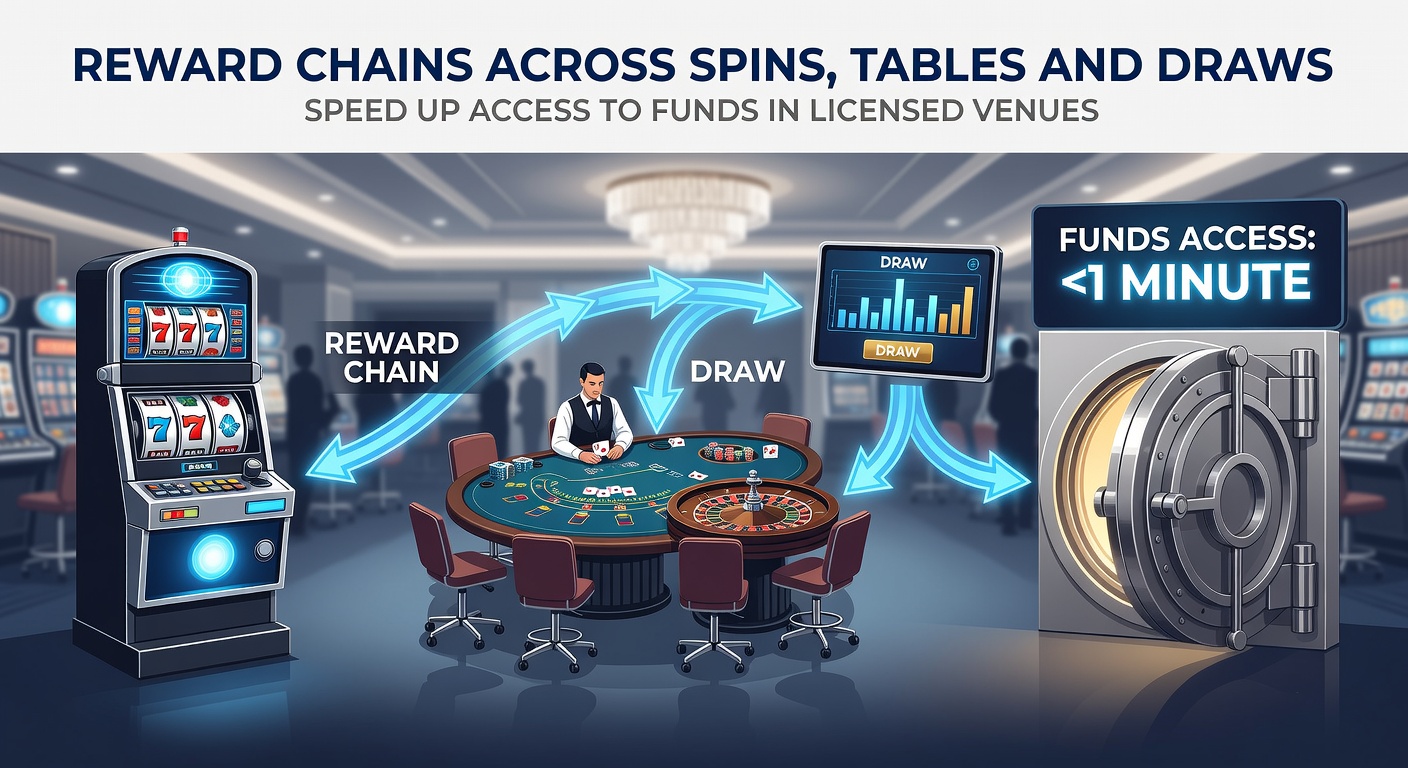
Integrated reward systems now connect activities across slot machines, table games, and lottery-style draws within licensed venues, creating pathways that release funds faster once players meet specific thresholds. These chains operate by linking progress in one area directly to unlocks in another, which reduces the time between completing requirements and gaining access to cash balances or withdrawal options. Observers note that such structures have expanded in several regulated markets since the early 2020s, driven by updates in platform technology and operator compliance standards.
How Reward Chains Operate Across Different Game Types
Spins on slot machines often serve as the entry point in these systems, where accumulated points or bonus triggers feed into table game promotions, and those in turn influence eligibility for lottery draws. For instance, a sequence might require a set number of spins to activate table bonuses, after which hits at the tables contribute toward draw entries that carry instant payout potential. Data from industry reports shows these connections rely on centralized tracking software that monitors player activity in real time, ensuring seamless progression without separate account resets for each category.
Table games contribute multipliers or streak bonuses that apply retroactively to prior spin earnings, while lottery draws provide the final release valve by converting accumulated value into immediate fund access. Researchers at institutions tracking gaming patterns have documented cases where this layering cuts standard holding periods by combining verification steps into one workflow rather than handling each game type independently.
Fund Access Acceleration Through Linked Promotions
Operators in licensed environments use these chains to bundle compliance checks, so a single verification process covers activity across spins, tables, and draws instead of repeating reviews. This approach means players reach withdrawal eligibility sooner because progress markers from multiple categories count toward shared goals. Figures from regulatory filings in North American jurisdictions reveal average processing times dropping when such linkages appear in venue systems, as the combined data streams allow quicker confirmation of play history and bonus conditions.
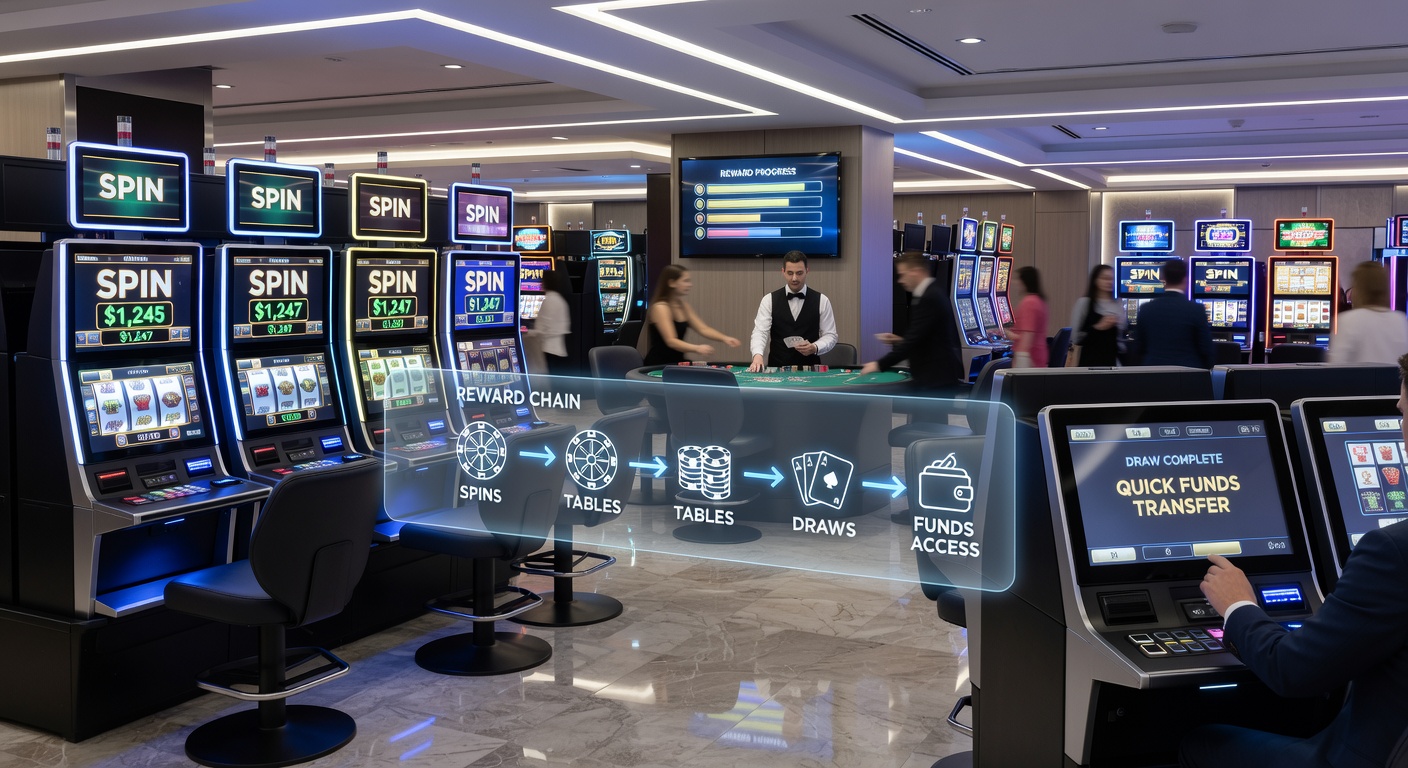
Take one operator who implemented cross-category streaks in 2025, where slot wins fed table buy-ins that then qualified users for draw-based releases. Reports indicated that participants accessed cleared funds within shorter windows compared to isolated game promotions, because the chain eliminated redundant bonus claim steps. Similar patterns appear in European and Australian markets, where platform updates synchronized these elements to meet local licensing requirements around timely payouts.
Developments Expected by June 2026
By June 2026 several licensed venues plan to roll out enhanced versions of these reward chains, incorporating mobile integration that tracks spins, tables, and draws within unified apps. These updates aim to further compress timelines by allowing partial progress from one category to transfer automatically when players switch to another. Industry associations such as the Nevada Gaming Control Board have outlined technical standards that support such interoperability, focusing on secure data sharing while maintaining separation between game outcomes and financial releases.
Additional pilots in Canadian provinces test similar linkages, where draw entries generated from table play directly reduce pending periods for slot-related balances. Academic analyses from groups like the Australian Institute of Family Studies gambling research division indicate that these systems maintain clear audit trails, which helps venues demonstrate compliance during routine inspections.
Conclusion
Reward chains linking spins, tables, and draws continue to reshape how players reach fund access points in licensed settings by consolidating multiple activity streams into single progression paths. Evidence from operational data across regions confirms these mechanisms reduce redundant steps in verification and release processes. As platforms evolve through 2026, further refinements in tracking and transfer logic are expected to maintain the focus on efficient yet regulated movement of funds within approved boundaries.